

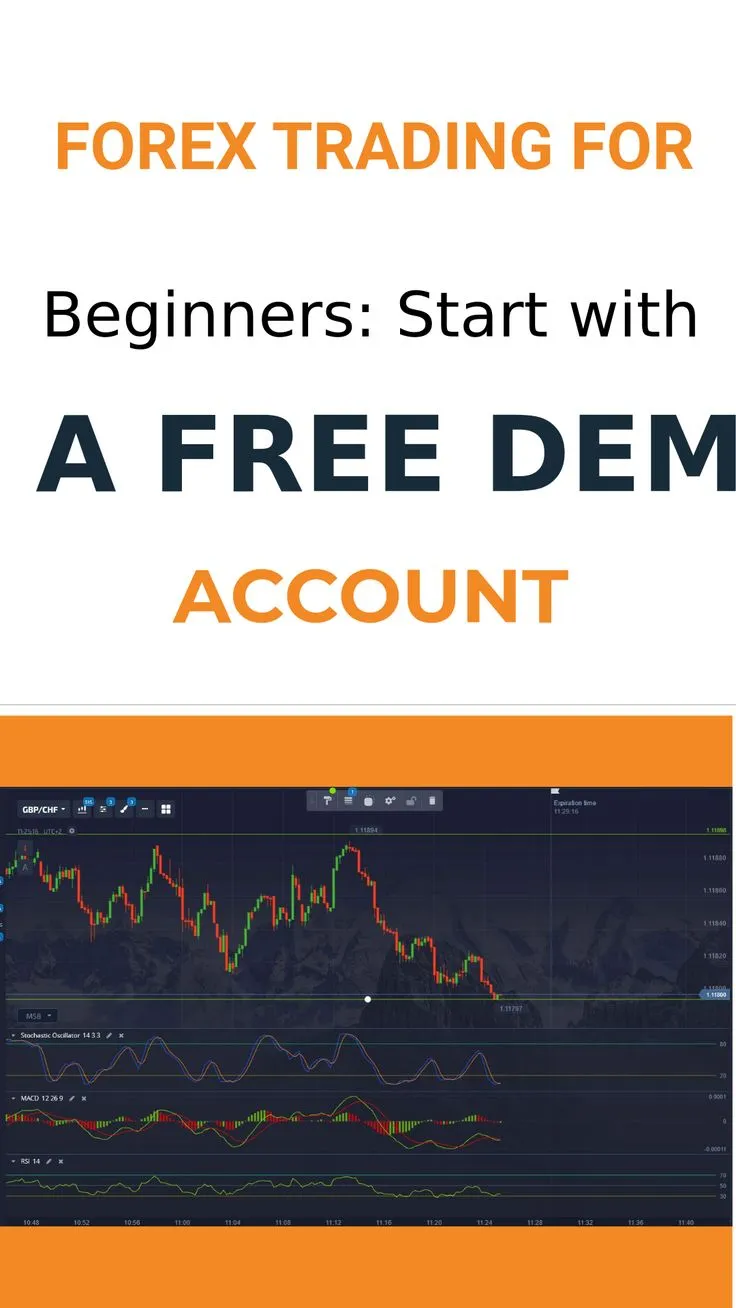
A best demo account on forex platform should give beginners enough flexibility to learn how trading tools work before real capital is placed at risk. Opening a demo account is only the first step; configuring it properly can make practice far more useful. Traders should choose realistic account settings, become familiar with the interface and decide which markets they intend to follow. Treating the virtual environment seriously from the beginning can help develop better habits and make later strategy testing more structured and meaningful.
Set a Realistic Virtual Balance
Many demo accounts provide a large amount of virtual capital, but practising with an unrealistic balance can encourage poor position sizing. Beginners should consider using a balance that resembles what they might realistically be prepared to trade with in the future. This makes risk calculations and potential losses easier to understand. A smaller, realistic balance can also discourage oversized positions. The objective is not to maximise simulated profits but to learn how capital, margin and individual trade exposure interact during changing market conditions.
Select Markets Carefully
Beginners do not need to monitor every available currency pair or CFD market immediately. Starting with a few widely followed instruments can make it easier to observe price behaviour, trading sessions and reactions to economic announcements. Traders can learn how one market behaves before gradually expanding their watchlist. Selecting too many instruments may create unnecessary distractions and encourage impulsive decisions. A focused market list also makes journal reviews more useful because traders can compare similar setups and identify patterns across repeated practice sessions.
Configure the Demo Environment
Traders researching how to create a demo account online should pay attention to the settings available after registration. The platform layout, chart timeframes, preferred instruments and order controls should be arranged so important information can be found quickly. Beginners should also practise locating stop-loss, take-profit and position-size settings before placing regular demo trades. Becoming comfortable with these functions reduces the chance of operational mistakes. The goal is to understand the platform thoroughly before trading decisions become influenced by real financial pressure.
Learn Basic Order Types
A demo account provides a useful environment for understanding how different orders operate. Beginners should practise market orders as well as pending orders and learn when each type may be appropriate. They should also understand how stop-loss and take-profit instructions interact with an open position. Knowing where these controls are located is not enough; traders need to understand their purpose. Repeated practice can make order management more familiar, helping users focus on analysis rather than searching for platform functions when markets begin moving quickly.
Establish Risk Limits
Risk rules should be configured mentally before any strategy is tested. Beginners can decide how much of their virtual balance they are willing to expose on a single position and avoid changing this limit after a loss. They should also study how leverage and margin affect total exposure. Higher leverage can magnify both gains and losses, making careful position sizing essential. Practising risk control in a demo environment can help traders build routines that focus on capital preservation rather than chasing short-term results.
Create a Review Routine
Every practice session should end with a brief review. Traders can record the instrument traded, entry reason, position size, planned exit and outcome in a journal. It is also useful to note whether the original trading rules were followed throughout the position. Reviewing this information weekly can reveal repeated mistakes, such as entering too early or increasing risk after a losing trade. Consistent reviews turn demo trading into a learning process rather than a sequence of unrelated trades with little long-term value.
Conclusion
Opening a demo account becomes more useful when traders configure it to support realistic and disciplined practice. A suitable balance, focused market list, familiar platform layout, clear order knowledge and defined risk limits can create a stronger learning environment. Resources available through btcdana.com can help users explore forex and CFD trading tools, but simulated results should never be viewed as a guarantee of future performance. Beginners should use demo trading to build understanding and consistency while recognising that live markets involve genuine financial risk.