

Introduction
If you’re in the landscaping, construction, or agriculture industry, having the right equipment to clear land efficiently is crucial. One such essential tool for land clearing is a mulcher for skid steer. This powerful attachment helps you tackle overgrown areas by cutting and mulching brush, trees, and other vegetation. In this guide, we’ll explore everything you need to know about the mulcher attachment for skid steer: from its definition and benefits to tips on choosing the right one for your needs. Whether you’re a professional or just getting started, this comprehensive guide will ensure you’re equipped with the knowledge to make the best choice.
What is a Mulcher for Skid Steer?
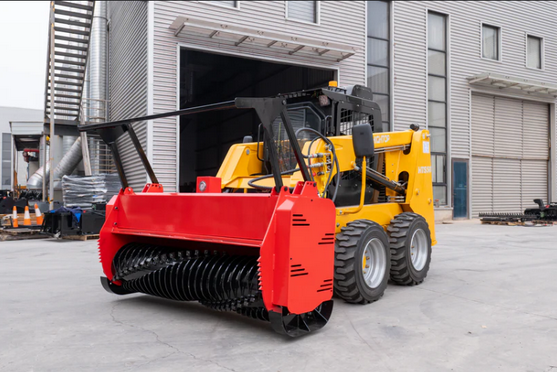
A mulcher for skid steer is an attachment designed for use with a skid steer loader. It is typically used for land clearing and vegetation management. The mulcher efficiently chops down trees, brush, and other vegetation, turning them into mulch. The attachment consists of heavy-duty blades or teeth that can grind the material into smaller pieces. These attachments are ideal for clearing dense vegetation, maintaining trails, and preparing land for construction or farming.
Types of Mulcher Attachments for Skid Steer
There are various types of mulcher attachments available in the market. When choosing the right one for your skid steer, it’s important to understand the different types to ensure that you make the best decision for your needs.
1. Drum Mulchers
A drum mulcher features a rotating drum with blades that work to mulch vegetation. This type of mulcher is efficient for cutting through thick vegetation like shrubs and small trees. Drum mulchers are best suited for jobs where versatility and heavy-duty mulching are required.
2. Flail Mulchers
Flail mulchers are known for their flexibility and smooth cutting. These attachments use multiple rotating blades or flails to mow down vegetation. They work well for lighter brush and grass, making them a great option for grass management or fine vegetation control.
3. Rotary Mulchers
Rotary mulchers are similar to drum mulchers but with a distinct design. They have a rotor with sharp blades that rotate at high speeds to shred vegetation. These mulchers can clear heavy, thick brush and small trees effectively.
Benefits of Using a Mulcher Attachment for Skid Steer
Investing in a mulcher attachment for skid steer brings several benefits to your land-clearing efforts. Here are a few advantages:
1. Increased Efficiency
One of the primary reasons to use a mulcher attachment is the speed and efficiency it offers. It allows you to clear large areas quickly compared to traditional land-clearing methods, saving you time and labor costs.
2. Versatility
Skid steers are highly versatile, and when you add a mulcher attachment, they become even more so. These attachments are effective in various terrains, making them ideal for clearing forests, farmland, and construction sites.
3. Mulch Creation
Instead of leaving piles of debris after clearing the land, mulchers create mulch, which can be used for landscaping purposes or left on the ground to enrich the soil. This is an eco-friendly option that prevents the need for hauling away the debris.
4. Reduced Fuel Consumption
Mulching is an efficient way to clear land because it requires less fuel than alternative methods such as using large equipment or burning brush. As a result, using a mulcher for skid steer helps save on fuel costs and is environmentally friendly.
How to Choose the Right Mulcher Attachment for Skid Steer
Choosing the right mulcher attachment for skid steer depends on several factors, including the type of vegetation you’re dealing with, the terrain, and the size of your skid steer. Here are some factors to consider:
1. Vegetation Type
Consider the type of vegetation you will be clearing. If you’re clearing thick trees and shrubs, a drum mulcher or rotary mulcher may be more effective. For lighter vegetation like grass and small bushes, a flail mulcher could be a better choice.
2. Skid Steer Size
Make sure the mulcher attachment you select is compatible with your skid steer’s specifications. Skid steers come in various sizes, and the attachment must match the weight and hydraulic capacity of the machine.
3. Cutting Width
The cutting width of the attachment is important for determining how much area can be covered in one pass. A 72-inch mulcher is a popular option for larger areas, but smaller or larger models may be available depending on your requirements.
4. Flow Rate and Pressure Requirements
Mulcher attachments require specific hydraulic flow rates and pressure levels to operate efficiently. Before purchasing, ensure that your skid steer can provide the necessary hydraulic power to run the attachment.
5. Durability and Quality
Look for mulcher attachments made with high-quality materials, such as hardened steel teeth, to ensure that the attachment can handle tough vegetation and rough terrain without frequent maintenance.
How to Use a Mulcher for Skid Steer
Using a mulcher for skid steer is relatively straightforward, but it requires some technique to achieve the best results. Here’s how to properly use a mulcher attachment:
1. Prepare the Area
Clear away any large obstacles or debris that may damage the mulcher. Inspect the area for rocks, stumps, or other objects that can cause harm to the machine.
2. Adjust the Height
Adjust the mulcher’s height depending on the thickness of the vegetation you’re dealing with. For small brush and grass, a higher setting may work, while thicker vegetation may require a lower setting for better mulching.
3. Operate Slowly and Steadily
Mulchers work best when used slowly and steadily. Drive the skid steer in a controlled manner to ensure that the mulcher can efficiently cut through the vegetation.
4. Safety Precautions
Always wear safety gear, including gloves, boots, and goggles, when operating the mulcher. Keep a safe distance from the attachment to avoid injury.
Common Mistakes to Avoid When Using a Mulcher Attachment for Skid Steer
Here are some mistakes to avoid when using a mulcher attachment for skid steer:
1. Overloading the Machine
Overloading the mulcher by attempting to cut through too thick or dense vegetation can lead to damage. It’s important to know the limits of your attachment and avoid pushing it too hard.
2. Using the Wrong Type of Mulcher
Using the wrong type of mulcher for the job can reduce efficiency and lead to poor results. Make sure the attachment matches the vegetation type you are working with.
3. Ignoring Regular Maintenance
Neglecting regular maintenance on the mulcher can result in reduced performance and premature wear. Regularly inspect and replace parts such as teeth and blades to keep the mulcher in top condition.
Tips for Effective Land Clearing with a Mulcher Attachment for Skid Steer
- Go Slow: Don’t rush the mulching process. Going slow ensures a cleaner cut and better mulching results.
- Use the Right Attachment: Always use the correct type of mulcher for the job to maximize efficiency.
- Regular Maintenance: Perform routine checks and replace any worn-out parts to avoid unexpected breakdowns.
- Watch for Safety Hazards: Always stay aware of your surroundings to avoid accidents or damage to the equipment.
Conclusion
A mulcher for skid steer is an indispensable tool for anyone looking to clear land quickly and efficiently. With the right mulcher attachment for skid steer, you can easily handle dense brush, small trees, and other vegetation without the need for expensive equipment or excessive labor. By choosing the right attachment, maintaining the equipment properly, and following the right techniques, you can achieve optimal results.
Call to Action:
Ready to tackle your land clearing projects? Consider investing in a mulcher attachment for skid steer and get started on your next job with ease!
FAQ
1. What is the best type of mulcher for skid steer?
The best type depends on the vegetation you’re dealing with. Drum and rotary mulchers are great for thicker vegetation, while flail mulchers are better for lighter brush and grass.
2. Can a skid steer handle a 72-inch mulcher attachment?
Yes, a 72-inch mulcher is compatible with most medium to large skid steer loaders. Make sure to check the specifications of your skid steer for compatibility.
3. How do I maintain my mulcher attachment?
Regular maintenance includes checking the blades, replacing worn teeth, and cleaning the attachment after each use to prevent build-up of debris.
4. What size skid steer is needed for a mulcher attachment?
The size of the skid steer should be able to handle the mulcher’s weight and hydraulic requirements. Make sure your skid steer has enough power and flow rate to operate the attachment effectively.
5. Can a mulcher attachment be used for clearing small trees?
Yes, mulcher attachments are designed to handle small trees, brush, and vegetation, making them ideal for clearing wooded areas.
